⏱ 13 min read
📑 On this page (14)
- What Counts as "Premature" — and What Doesn't
- Where Self-Help Fits In
- 1. Pelvic Floor Muscle Training — Evidence and Limits
- 2. The Start-Stop Technique
- 3. The Squeeze Technique
- 4. Edging — A Form of Start-Stop Practice
- 5. Lifestyle: Stress, Sleep and Habits
- 6. Supplements — What's Real and What's Marketing
- 7. Condoms and Lubrication: Simple Things to Try
- 8. Sex Toys: Optional Extras, Not Treatments
- The Anxiety Loop, And Why Talking About It Helps
- When to See a Malaysian Urologist
- Putting It Together: A Practical Starting Point
- FAQ
TL;DR — Premature Ejaculation Natural Solutions, Malaysian Edition
- A Malaysian study reported a combined probable/most likely PE screening rate of 31.7% (urban 20.7% / rural 40.8%). These are study findings, not a national estimate. See the Malaysian Journal of Public Health Medicine.
- Pelvic floor muscle training has promising early research: in one small 12-week study, 33 of 40 men (82.5%) gained ejaculatory control, but it was a supervised clinic programme with electrical stimulation and biofeedback, not a randomised trial of home exercises.
- The start-stop and squeeze techniques are simple behavioural methods used in standard patient guidance; results vary from person to person.
- Stress, anxiety and poor sleep can make control harder for some men, and Malaysian city life (long commutes, shift work) supplies plenty of all three.
- Be careful with: stamina products whose registration you cannot verify on NPRA, unverified herbal pastes, and numbing sprays used without a doctor’s advice.
- If PE is persistent or distressing, see a GP or urologist; you do not need to finish a self-help programme first. Prescription options, including dapoxetine, are a legitimate part of care.
If this feels embarrassing to look up, start here: there’s nothing embarrassing about this. Premature ejaculation (PE) is a common male sexual health concern. You’re not alone, and you’re not broken.
This guide looks at what the research actually says about pelvic floor training, behavioural techniques, lifestyle factors and popular supplements, including where the evidence is thin, and how to seek care in Malaysia whenever you need it.
Quick Answer
Premature ejaculation is a common male sexual health concern, and it does not mean anything is broken. Options include behavioural techniques, psychological support and medication, depending on your situation; a doctor should assess any medication. Pelvic floor training and the start-stop and squeeze techniques help some men, but results are not guaranteed. If PE is persistent or distressing, comes on suddenly, or comes with erection problems or pain, see a GP or urologist; you do not need to finish a self-help programme first. Avoid stamina pills and sprays you cannot verify.
Enjoyed this guide?
Get our intimate wellness guides in your inbox — Malaysia-specific, zero judgment, no spam. Subscribe free →
📚 This guide is part of our Life Stages & Body library. Explore all Life Stages & Body guides →
A quick note: This is general educational information, not medical or legal advice. If a product ever causes pain, burning, bleeding, swelling, or lasting irritation, stop using it and speak to a qualified healthcare professional.
What Counts as “Premature” — and What Doesn’t
The AUA/SMSNA 2020 guideline describes lifelong PE as poor ejaculatory control and distress, with ejaculation within about two minutes of penetrative sex from the start of sexual life. Acquired PE involves poor control, distress and a marked shortening from previous ejaculation times. Timing alone is not a diagnosis.
Occasionally finishing sooner than you would like, say after a long break or when you are very aroused, is common and does not by itself mean you have PE. There is no single time everyone should aim for; what matters is a persistent lack of control combined with distress.
A cross-sectional study in the Malaysian Journal of Public Health Medicine screened 319 men and reported a combined probable/most likely PE screening rate of 31.7%: 20.7% in its urban sample and 40.8% in its rural sample. It is one study of particular areas, so it cannot give a national rate or explain the urban-rural gap.
Where Self-Help Fits In
There is no single treatment order for everyone. The EAU guideline recommends dapoxetine or a lidocaine/prilocaine spray as first-line options for lifelong PE; acquired PE requires attention to underlying causes. Behavioural and psychological approaches can also form part of care. Dapoxetine is approved for PE in many countries. A doctor should assess medication suitability; medicines should not be dismissed as merely masking symptoms.
Treatment decisions depend on symptoms, control, distress and medical history.
1. Pelvic Floor Muscle Training — Evidence and Limits
The pelvic floor muscles, including the bulbocavernosus, are involved in ejaculation, which is why researchers have tested training them for PE. The early results are promising, but the studies so far are small.
In a 2014 study by Pastore and colleagues in Therapeutic Advances in Urology, 33 of 40 men (82.5%) gained ejaculatory control after 12 weeks of rehabilitation. The 40 men had a mean baseline latency of 31.7 seconds; after treatment, the 33 men who gained ejaculatory control had a mean latency of 146.2 seconds. The programme included exercises, electrical stimulation and biofeedback. It was not a randomised controlled trial and does not establish an 82.5% success rate for home exercises.
A 2025 prospective study in Sexual Medicine reported improvement after eight weeks of pelvic floor training with biofeedback and integration into sexual activity. It compared men with PE against a healthy control group at baseline, but had no sham-treatment group and no long-term follow-up, so it cannot show that the training alone caused the improvement.
How to Do It (General Kegel Guidance)
To find the right muscles, Mayo Clinic suggests tightening the ones you would use to stop yourself passing gas or to stop urinating midstream. Use the urine trick only to locate them; do not exercise while you urinate. Keep your stomach, buttocks and thighs relaxed, and breathe normally.
- Tighten the pelvic floor for 3 seconds, then relax for 3 seconds.
- Repeat a few times in a row, working up to 10 to 15 repetitions per set.
- Aim for at least three sets a day, for example one lying down, one sitting and one standing.
This is general Kegel guidance from Mayo Clinic, not a tested PE dosage; a doctor or pelvic floor physiotherapist can tailor a plan to you. Relax fully between contractions. If the exercises cause pain, discomfort or persistent tightness, stop and seek advice from a doctor or pelvic floor physiotherapist.
There is no guaranteed timetable. Mayo Clinic notes that Kegel results generally take a few weeks to a few months, and that is for bladder control; for PE the research is still limited. Our pelvic floor exercises for men guide goes deeper on the anatomy and progression.
2. The Start-Stop Technique
The simple version: when you feel close to climax, stop all stimulation, wait for the urge to fade, then start again. Repeating this a few times before ejaculating is a common way to practise, alone or with a consenting partner.
The useful skill is noticing your own rising arousal before you reach the point of no return. Practising slowly on your own first can make that easier to notice; once you can catch it reliably, you can bring the same pause into partnered sex.
A 2025 narrative review in the International Journal of Impotence Research discusses pelvic physical therapy for PE. Combining techniques is reasonable to try or to discuss with a clinician, but there is no proven formula.
3. The Squeeze Technique
Same idea, more direct: when you are close, stop stimulation and gently squeeze where the head of the penis meets the shaft for a few seconds, until the urge settles, then continue. Stop if it hurts. It can feel mechanical at first.
Good lubrication can also make practice more comfortable. With latex condoms, use a water-based or silicone-based lubricant and avoid oil-based products; our lubricant guide for Malaysia covers the options.
4. Edging — A Form of Start-Stop Practice
Edging is start-stop practice done solo: you get close, back off and repeat, without making climax the goal. There is no tested schedule, so treat it as optional practice rather than an endurance test.
Some men find it helps them recognise their threshold, but evidence specific to edging is limited. Stop if it becomes uncomfortable or makes you more anxious.
5. Lifestyle: Stress, Sleep and Habits
In the Malaysian study, PE was linked with anxiety and depression, an association rather than proof of cause. Still, long commutes, shift work and running on little sleep add stress, and for some men that makes control harder.
- Sleep: Regular, sufficient sleep supports general wellbeing, even though it is not a PE treatment on its own.
- Physical activity: Regular exercise, such as brisk walking around Lake Gardens, swimming at a condo pool or cycling, is good for your general and heart health; treat it as wellbeing support rather than a PE cure.
- Alcohol: Do not rely on alcohol to delay ejaculation. If medication is prescribed, follow the specific advice about alcohol.
- Pornography and masturbation habits: If you worry that heavy porn use is affecting partnered sex, it is reasonable to try cutting back and to talk about it without shame, but research has not established porn as a cause of PE or cutting back as a treatment.
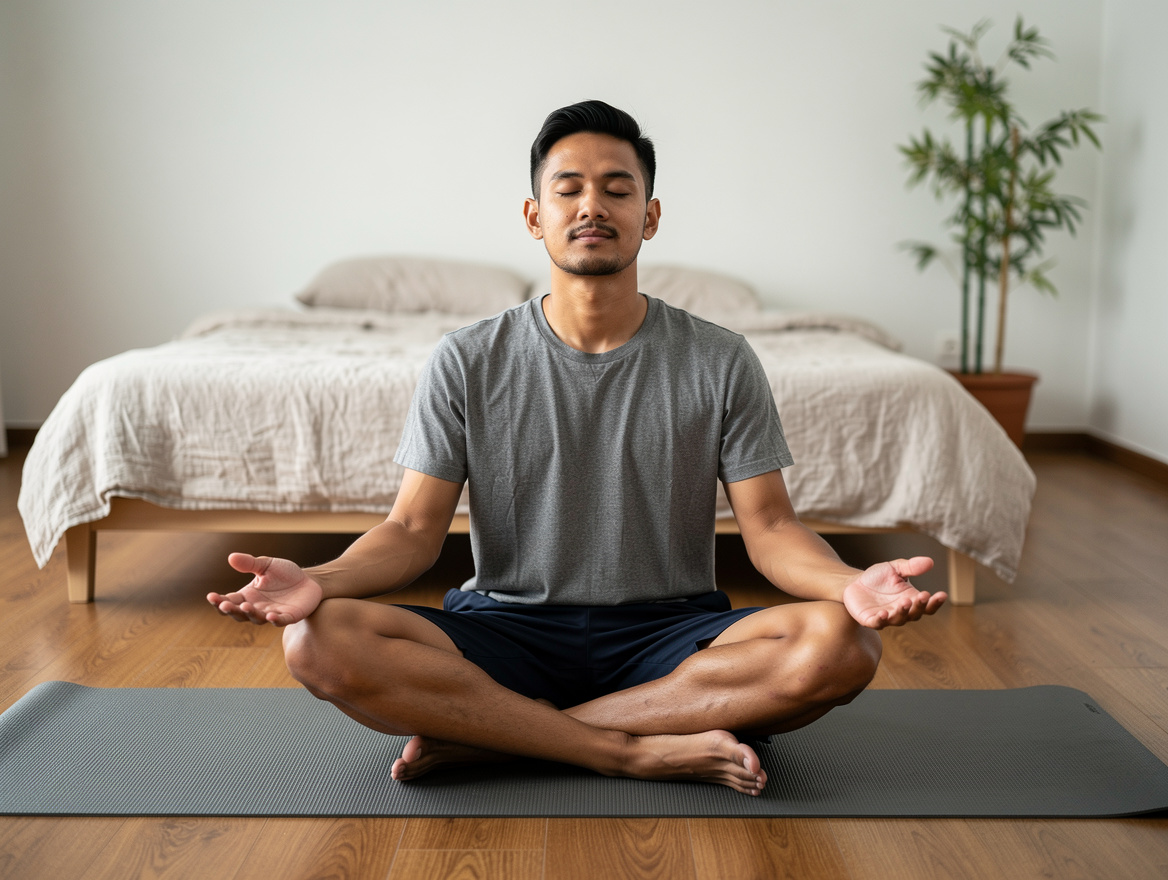
- Mindfulness: Mindfulness-based approaches are sometimes used in psychosexual therapy, but the evidence for PE is still limited, so treat a daily breathing practice as a stress tool rather than a cure.
6. Supplements — What’s Real and What’s Marketing
Online marketplaces are full of stamina capsules and herbal blends, ranging from harmless to genuinely risky. Here is how to think about them.
Limited evidence, and not specific to PE:
- Korean red ginseng (Panax ginseng): Studied mainly for erectile function; evidence for PE specifically is limited. Check with a doctor or pharmacist first if you take other medicines.
- Ashwagandha: Some evidence for stress, but not for PE itself. Talk to a doctor before using it, especially if you have a medical condition or take other medicines.
- Zinc: Only relevant if you are actually deficient; a doctor can decide whether testing makes sense.
Claims that need caution:
- “Tongkat Ali for PE”: we found no good-quality trial showing that it treats PE.
- Unregistered delay creams with unclear ingredients: the strength of a numbing product should be known, and the effect can transfer to a partner. A doctor can recommend a properly registered option.
- “Stamina pills” with unclear ingredients — some sexual-enhancement products contain undeclared medicines that can interact with prescribed drugs.
Actively avoid:
- Unverified herbal Gambir pastes: a traditional label is not proof of safety or effectiveness, and strength can vary between preparations.
- Medicines or health supplements whose Malaysian registration cannot be verified through the NPRA product search.
7. Condoms and Lubrication: Simple Things to Try
Some men find that a thicker condom reduces sensation slightly; results vary. A few condoms include a mild numbing agent such as benzocaine, so check the label, and remember the effect can transfer to your partner.
Pairing a condom with a compatible lubricant can make longer sessions more comfortable. We compare the Malaysian options in our condom buying guide for Malaysia and our lubricant guide; check current labels before buying.
8. Sex Toys: Optional Extras, Not Treatments
Sex toys are not a PE treatment, but some couples find that toys and other kinds of touch take the pressure off intercourse as the only main event, which can make sex feel less like a test. Wand-style massagers like the ones in our wand massager guide are one option. Choose based on comfort, consent and clearly labelled materials.

The Anxiety Loop, And Why Talking About It Helps
Performance anxiety and PE can feed each other: worrying about finishing too fast can make it harder to relax, and finishing fast can make the worry worse. Talking about it can help break that cycle, and your partner may be more understanding than you expect. We have written a careful guide to how to talk about sex with your partner if that is the part you are stuck on.
When to See a Malaysian Urologist
Persistent or distressing PE is a good reason to see a doctor; you do not need to finish 8-12 weeks of self-help first. In Malaysia, the realistic routes are:
- A GP or klinik kesihatan: a good first stop. They can assess you and refer you if needed.
- Urology or men’s health clinics at private or government hospitals: they can discuss the full range of treatment options after assessment.
A doctor may discuss on-demand dapoxetine (approved for PE in Malaysia and many other countries), a topical anaesthetic spray, or other options, alongside behavioural or psychological support. Medication is not a failure; it is one legitimate part of care, with suitability, dosing and side effects assessed individually.
Putting It Together: A Practical Starting Point
If you want a simple way to start:
- Start: learn to find and relax your pelvic floor muscles, and practise start-stop on your own.
- Then: bring start-stop or squeeze into partnered sex if you both want to, and look honestly at sleep, stress and alcohol.
- Any time: if PE is persistent or distressing, see a GP or urologist. Self-help and medical care can go together.
If an approach does not help, that is a reason to review the plan, not to blame yourself. No routine in this guide guarantees a particular result.
FAQ
How common is premature ejaculation in Malaysia?
One Malaysian screening study reported a combined probable/most likely PE screening rate of 31.7%, 20.7% in its urban sample and 40.8% in its rural sample. These figures are not a national estimate or a basis for ranking Malaysia against other countries.
How long does pelvic floor training take to work?
The 82.5% figure comes from a small 12-week clinic rehabilitation study, not a randomised trial of home exercises, and a 2025 study reported improvement after eight weeks of supervised training. Neither study establishes a reliable timetable for PE improvement. Mayo Clinic’s general Kegel guidance mentions a few weeks to a few months for benefits such as reduced urine leakage; that is not an established timetable for PE. If you are not sure you are doing it right, ask a doctor or pelvic floor physiotherapist.
Are delay sprays safe to use in Malaysia?
A doctor should assess whether a lidocaine-based spray is suitable for you. Verify the exact medicine through NPRA and follow its instructions, including precautions against transfer to a partner. Registration does not mean that a product is suitable for everyone; numbness and irritation can occur.
Does Tongkat Ali help with premature ejaculation?
We found no good-quality trial showing that Tongkat Ali treats PE, and the evidence for Korean red ginseng and ashwagandha is mainly about other things, such as erections or stress, rather than PE itself. Talk to a doctor or pharmacist before trying supplements, especially if you take other medicines.
Is masturbation before sex a real solution?
Some men find that masturbating a few hours before sex helps them last longer, but it does not work for everyone and it is not a long-term fix. It is an optional strategy you can try alongside other approaches.
Can stress and anxiety alone cause premature ejaculation?
Stress and anxiety can make PE worse for some men, and the Malaysian study found PE was linked with anxiety and depression, though that shows a link rather than cause and effect. Looking after sleep and stress is worthwhile for its own sake; if anxiety is a big part of the picture, psychological support can help.
Should I see a Malaysian urologist or just keep trying naturally?
Seek assessment if PE is persistent, distressing or a change from your usual experience. You do not have to complete a natural-treatment trial first. A GP or urologist can discuss suitable options; any medication should be selected after assessment.
Will my partner think less of me if I bring this up?
You cannot know how your partner feels without asking, and many partners are more understanding than men expect. Choose a calm moment outside the bedroom to explain what is going on and invite their view. Talking can take some pressure off, but it will not change things overnight.
Loving this article?
Get our free Body-Safe Starter Kit — a 2-page PDF on body-safe materials, cleaning, a first-purchase checklist and lube compatibility. No spam. Unsubscribe anytime.
Start here · The path
Not sure what to read next? New here? Follow this 4-step path for a solid foundation 👇
Keep reading